
Biobridge London Expert Forum connects international science with the UK clinical pathway
On 17 September 2026, BioBridge Foundation convened the Biobridge London Expert Forum Dinner, Perspectives in Regenerative Sexual Medicine and Andrology.
The CPD-accredited Forum brought together international faculty, senior consultants, nursing professionals and international healthcare participants. It created a focused setting for scientific discussion across regenerative sexual medicine, erectile dysfunction, Peyronie’s disease, fertility and responsible clinical innovation.
A structured scientific programme
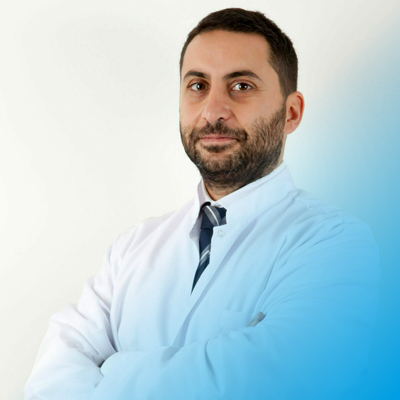
Professor Ege Can Şerefoğlu
presented regenerative sexual medicine as a developing multidisciplinary field requiring clear terminology, evidence hierarchy, patient phenotyping and measurable outcomes.
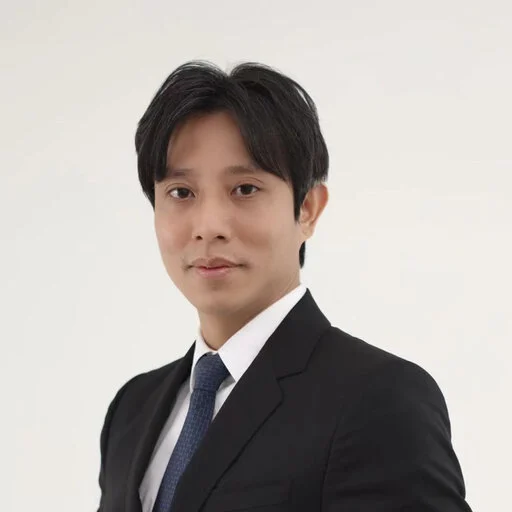
Karl Pang
examined emerging perspectives in fertility and regenerative medicine, including male-factor infertility, translational research, current evidence limitations and opportunities for future collaboration.
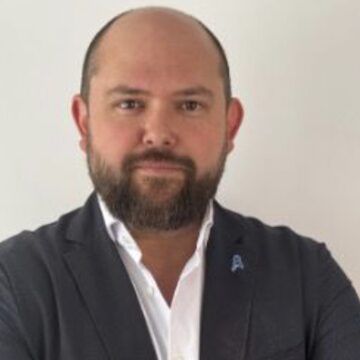
Dr Sam Ward
addressed erectile dysfunction and Peyronie’s disease through the relationship between published evidence and expert clinical practice, with particular attention to patient selection, shared decision-making, realistic expectations, mentoring and outcome documentation.
The CPD format combined evidence framing, faculty presentations, moderated appraisal, directed questions, audience interaction and learning synthesis. Attendance supported professional development but did not establish procedural eligibility or independent clinical competence.
Senior consultant participation
The Forum benefited from the participation of senior consultants with expertise across urology, andrology, fertility, sexual medicine and specialist clinical services. Participants included:
- Professor Asif Muneer
- Karl Pang
- Hussain Alnajjar
- Varun Sahdev
- Julius Lait, providing nursing and clinical-team representation
Their participation connected the scientific programme with wider discussions concerning evidence quality, patient selection, guideline positioning, consent, clinical governance, nursing education, SOPs, documentation, outcome monitoring and implementation readiness.
Constructive senior-consultant interaction
The evening also benefited from the active participation of Fabio Castiglione, Consultant Urologist and Andrologist at King’s College Hospital NHS Foundation Trust and Honorary Reader at King’s College London.
His well-founded questions and constructive interactions added substance to the discussion around evidence interpretation, clinical relevance, patient pathways and the future research agenda for regenerative andrology.
This illustrated a central strength of the Forum: faculty presentations established the scientific foundation, while critical questions, clinical comparison and dialogue generated much of the educational value.
Positive perspectives from the 2026 EAU Guidelines
The Forum took place at an important point in the development of the evidence base. The EAU Guidelines on Sexual and Reproductive Health 2026 include PRP among innovative and regenerative treatment modalities for erectile dysfunction. They describe a biological rationale involving platelet-derived growth factors with potential roles in angiogenesis and cellular recruitment.
The guidelines report encouraging clinical signals:
- In one randomised study of 60 men with mild-to-moderate vasculogenic ED, 69% of the PRP group achieved a minimal clinically important improvement in IIEF-EF at six months, compared with 27% in the placebo group, with no haemorrhagic events or other side effects reported.
- In a second randomised double-blind study involving 109 men, 70% achieved the minimal clinically important difference after PRP, compared with 16% after placebo, with improvements also reported in SEP2 and SEP3.
- A meta-analysis of randomised trials reported a mean IIEF-EF improvement of 3.21 points in favour of PRP at six months.
These findings demonstrate measurable, patient-centred signals and justify continued investigation. Importantly, they also show that regenerative approaches are receiving structured consideration within a major European clinical guideline.
The EAU nevertheless concludes that current evidence is insufficient for routine clinical recommendation. Intracavernous PRP should presently remain within clinical-trial settings because larger studies are required and existing protocols differ in dose, timing, activation, platelet concentration and composition.
This boundary defines a constructive development pathway: improve preparation and protocol reporting, describe patient phenotypes accurately, use validated outcomes and clinically meaningful thresholds, record concurrent treatments, extend follow-up and generate prospective, reproducible evidence.
From discussion to a responsible UK pathway
The Forum reinforced that erectile dysfunction is multidimensional, with vascular, metabolic, neurogenic, hormonal, structural, medication-related and psychosexual contributors. Emerging biologic approaches should therefore sit within comprehensive consultant-led assessment and complement, rather than displace, established care.
For Peyronie’s disease, the discussion similarly emphasised disease phase, pain, plaque, deformity, erectile function and psychological impact. Emerging evidence must be accompanied by objective baseline assessment, transparent counselling and consultant-led governance.
The practical direction emerging from London was positive but disciplined:
- preserve established diagnostic and therapeutic pathways;
- identify patients and disease phenotypes precisely;
- communicate evidence, benefits and uncertainty honestly;
- distinguish preparation-system characteristics from procedural competence and clinical effectiveness;
- strengthen standardisation, documentation and traceability;
- collect validated outcomes prospectively;
- use education and mentoring to support future research readiness.
Senior consultant participation
The Forum benefited from the participation of senior consultants with expertise across urology, andrology, fertility, sexual medicine and specialist clinical services. Participants included:
- Professor Asif Muneer
- Karl Pang
- Hussain Alnajjar
- Varun Sahdev
- Julius Lait, providing nursing and clinical-team representation
Their participation connected the scientific programme with wider discussions concerning evidence quality, patient selection, guideline positioning, consent, clinical governance, nursing education, SOPs, documentation, outcome monitoring and implementation readiness.
Constructive senior-consultant interaction
The evening also benefited from the active participation of Fabio Castiglione, Consultant Urologist and Andrologist at King’s College Hospital NHS Foundation Trust and Honorary Reader at King’s College London.
His well-founded questions and constructive interactions added substance to the discussion around evidence interpretation, clinical relevance, patient pathways and the future research agenda for regenerative andrology.
This illustrated a central strength of the Forum: faculty presentations established the scientific foundation, while critical questions, clinical comparison and dialogue generated much of the educational value.
Positive perspectives from the 2026 EAU Guidelines
The Forum took place at an important point in the development of the evidence base. The EAU Guidelines on Sexual and Reproductive Health 2026 include PRP among innovative and regenerative treatment modalities for erectile dysfunction. They describe a biological rationale involving platelet-derived growth factors with potential roles in angiogenesis and cellular recruitment.
The guidelines report encouraging clinical signals:
- In one randomised study of 60 men with mild-to-moderate vasculogenic ED, 69% of the PRP group achieved a minimal clinically important improvement in IIEF-EF at six months, compared with 27% in the placebo group, with no haemorrhagic events or other side effects reported.
- In a second randomised double-blind study involving 109 men, 70% achieved the minimal clinically important difference after PRP, compared with 16% after placebo, with improvements also reported in SEP2 and SEP3.
- A meta-analysis of randomised trials reported a mean IIEF-EF improvement of 3.21 points in favour of PRP at six months.
These findings demonstrate measurable, patient-centred signals and justify continued investigation. Importantly, they also show that regenerative approaches are receiving structured consideration within a major European clinical guideline.
The EAU nevertheless concludes that current evidence is insufficient for routine clinical recommendation. Intracavernous PRP should presently remain within clinical-trial settings because larger studies are required and existing protocols differ in dose, timing, activation, platelet concentration and composition.
This boundary defines a constructive development pathway: improve preparation and protocol reporting, describe patient phenotypes accurately, use validated outcomes and clinically meaningful thresholds, record concurrent treatments, extend follow-up and generate prospective, reproducible evidence.
From discussion to a responsible UK pathway
The Forum reinforced that erectile dysfunction is multidimensional, with vascular, metabolic, neurogenic, hormonal, structural, medication-related and psychosexual contributors. Emerging biologic approaches should therefore sit within comprehensive consultant-led assessment and complement, rather than displace, established care.
For Peyronie’s disease, the discussion similarly emphasised disease phase, pain, plaque, deformity, erectile function and psychological impact. Emerging evidence must be accompanied by objective baseline assessment, transparent counselling and consultant-led governance.
The practical direction emerging from London was positive but disciplined:
- preserve established diagnostic and therapeutic pathways;
- identify patients and disease phenotypes precisely;
- communicate evidence, benefits and uncertainty honestly;
- distinguish preparation-system characteristics from procedural competence and clinical effectiveness;
- strengthen standardisation, documentation and traceability;
- collect validated outcomes prospectively;
- use education and mentoring to support future research readiness.
Biobridge and partner roles
Biobridge Foundation provides the scientific, educational and CPD framework. Faculty and senior consultants contribute independent clinical interpretation and research direction. Senior consultants and multidisciplinary medical teams connect the scientific discussion with potential UK pathway development, while nursing professionals contribute to patient education, coordination, documentation, follow-up and outcome collection.
RegenLab UK and Northern Europe supports the technology and platform-education interface while remaining separate from independent faculty conclusions and clinical decision-making.
- RegenLab: Biobridge Foundation technology sponsor
- Androfill: workshop partner
- Quareb: education partner
The London Forum demonstrated how focused scientific education, senior clinical dialogue and governance can create a credible pathway from emerging evidence to responsible research and future implementation.
Disclaimer: Regenlab is the Biobridge Foundation technology sponsor.